
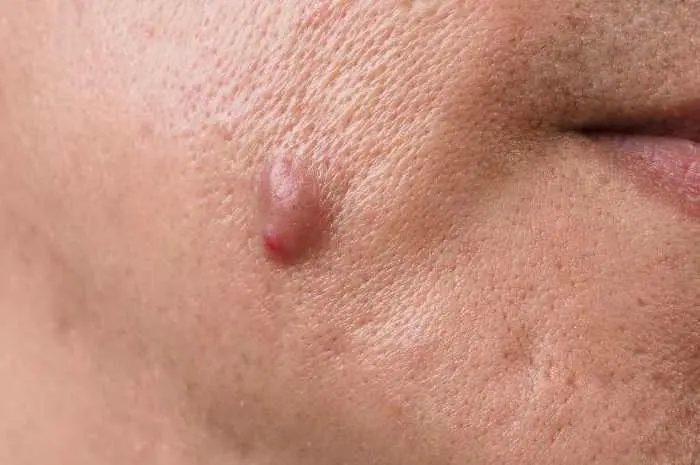
Find various effective tips to get rid of cystic acne on the nose, from natural treatments to medical treatments that can help you get smooth skin back.
Cystic acne, or what is often known as cystic acne, is one of the most severe types of acne and often appears on more sensitive areas of the face, such as the nose.
Cystic acne is formed due to blockages in the skin pores which cause inflammation in the form of large, painful lumps. Typically, this acne occurs when the oil glands produce too much sebum (oil), which mixes with dead skin cells and bacteria, blocking the hair follicles.
1. Keep your face clean regularly
One of the main causes of cystic acne is pores that are clogged with dirt, oil, and dead skin cells. Therefore, maintaining facial cleanliness is a very important first step to avoid acne.
Wash your face twice a day with a facial cleanser that suits your skin type. Make sure the facial cleanser you use contains ingredients that can remove excess oil and clean pores effectively.
Also, avoid rubbing your face too hard, as it can damage the skin and worsen Cystic Acne on Cheeks inflammation.
This type of acne can be particularly stubborn and sensitive, so it’s essential to treat it gently. Use a clean, soft towel to dry your face after washing it, ensuring minimal irritation to the affected area.
2. Use Products Containing Salicylic Acid
Salicylic acid is an active ingredient often used in skincare to treat acne. It works by penetrating the pores of the skin, clearing out dirt and dead skin cells that clog the pores.
Using products containing salicylic acid, such as toners or cleansers, can help prevent cystic acne on the nose and other areas of the face. In addition, salicylic acid also has anti-inflammatory properties that help reduce swelling and inflammation caused by cystic acne.
3. Try Using a Honey and Cinnamon Mask
Honey and cinnamon have long been used in skin care for their antibacterial and anti-inflammatory properties. Honey can help clear pores and keep skin moisturized, while cinnamon can help reduce inflammation and prevent infection in cystic acne.
To make this natural mask, mix 2 tablespoons of honey with 1 teaspoon of cinnamon , then apply the mixture to the affected area of your nose. Leave it on for 10-15 minutes, then rinse with warm water. Do this treatment 2-3 times a week for optimal results.
4. Don’t squeeze cystic acne
One common mistake that many people make is trying to squeeze cystic acne. While it’s tempting to pop a pimple right away, popping it can actually make things worse and lead to infection.
The pressure generated when squeezing pimples can cause bacteria to spread to other areas of the skin, which can actually make acne worse and cause scars. It is best to let cystic acne heal on its own or do appropriate treatment to overcome the problem.
5. Use Products Containing Benzoyl Peroxide
Benzoyl peroxide is an effective ingredient in treating cystic acne, because it can kill acne-causing bacteria and reduce excess oil production.
Products containing benzoyl peroxide, such as spot treatment creams or gels, can be applied directly to inflamed cystic acne. Regular use of these products can help dry out cystic acne and speed up the healing process.
However, for those with sensitive skin, it is important to use products with lower levels of benzoyl peroxide to avoid irritation.
6. Use Ice Cubes to Reduce Inflammation
If the cystic acne on your nose is very painful or swollen, you can try using ice cubes to reduce the inflammation. Ice cubes can help soothe inflamed skin and reduce swelling.
Simply wrap the ice cubes in a clean cloth, then press it gently on the cystic acne area for a few minutes. Do this several times a day for better results. However, avoid pressing ice cubes directly on the skin to prevent irritation.
7. Consider Using Topical Retinoids
Topical retinoids, such as tretinoin, are vitamin A derivatives used to treat acne. Retinoids work by speeding up skin cell turnover, helping to unclog pores and prevent cystic acne from occurring.
Using products containing retinoids can improve skin texture and reduce acne breakouts in the long term. However, retinoids can be irritating to sensitive skin, so be sure to use them with caution and follow the instructions of your doctor or dermatologist.
8. Eat Healthy Food and Drink Lots of Water
A healthy diet plays an important role in maintaining healthy skin. Consuming foods rich in vitamins A, C, and E, such as green vegetables, fruits, and nuts, can help speed up the healing process of cystic acne.
Also, make sure to keep your body hydrated by drinking plenty of water every day. Water helps flush toxins from the body and keeps the skin moist, which can speed up the healing process of acne.
9. Pay attention to your cosmetic product usage habits
Using cosmetic products that are not suitable or are too heavy can worsen cystic acne, especially in the nose area. Choose non-comedogenic cosmetics, which are designed not to clog pores.
Make sure to always clean your face thoroughly after using makeup so that there are no cosmetic residues that clog pores and cause acne. Also, make sure to replace your makeup brushes regularly so that no bacteria sticks to them.
10. Visit a Dermatologist If Home Remedies Don’t Help
If your Cystic Acne on your nose doesn’t improve after trying various home treatments, you should consult a dermatologist.
Dermatologists can provide medical treatments such as laser therapy, corticosteroid injections, or antibiotics to help treat stubborn cystic acne. Don’t hesitate to seek professional help to get the right treatment according to your skin condition.
Getting rid of cystic acne on the nose requires patience and the right approach. By following the tips that have been discussed, from maintaining facial cleanliness to using the right care products, you can reduce inflammation and help cystic acne heal faster.
If home treatments don’t work, don’t hesitate to seek help from a dermatologist who can provide more effective medical solutions. Remember that consistent and disciplined care is the key to getting clean and healthy facial skin.